Skip to content

No products in the cart.
Height Adjustable Desks, Standing Desk Converters, Standing Desks
Standing Desks: Boosting Productivity in the Workplace
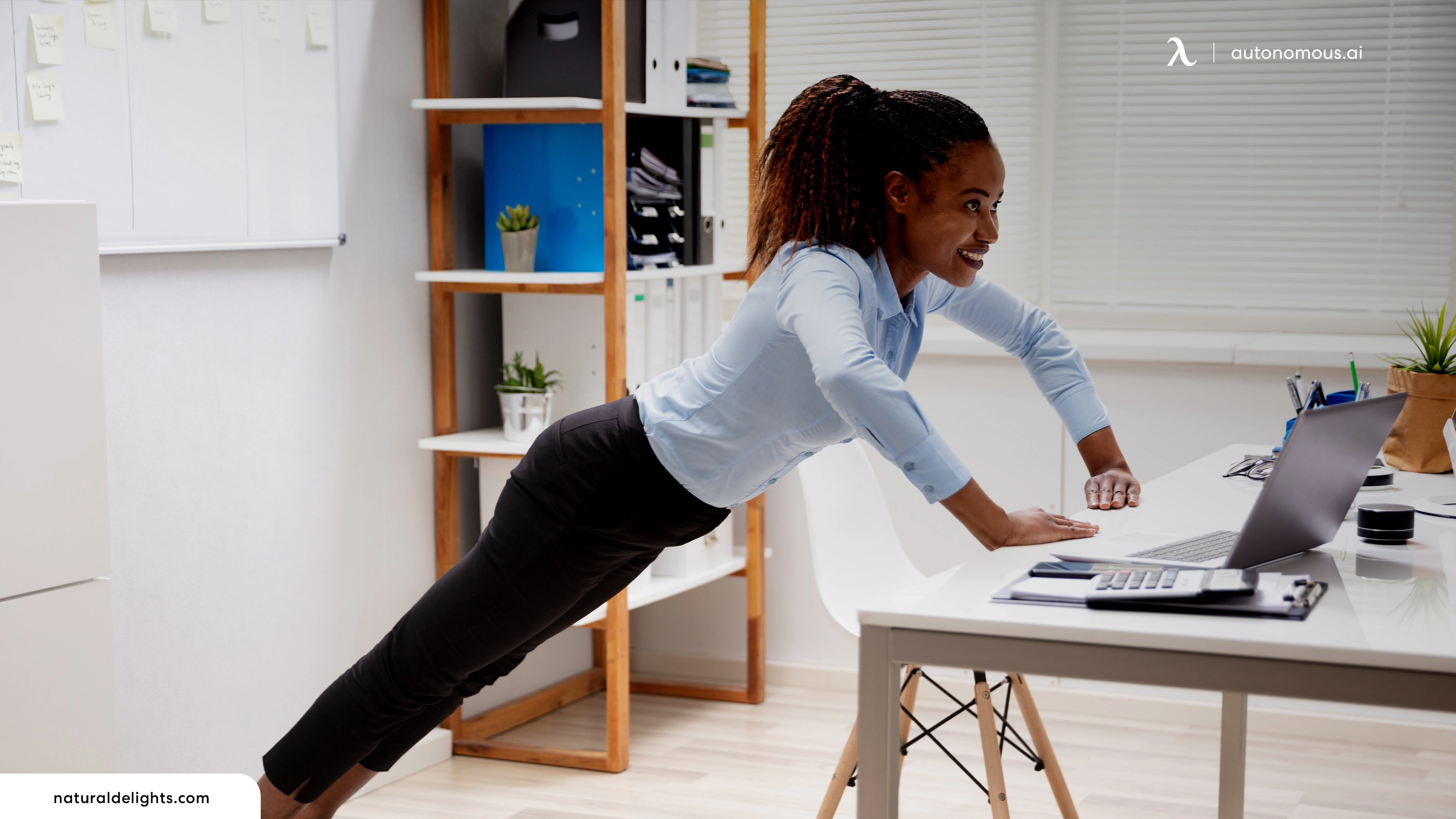
Are you tired of sitting all day at your desk? Well, the solution may be simpler than you think. Enter standing desks. These ergonomic workstations are all the rage in offices across the country, and for good reason. Not only do they offer a welcome change from the traditional seated position, but they also boast a plethora of health benefits, including improved posture, increased calorie burn, and decreased risk of certain chronic conditions. But that’s not all. Standing desks have also been shown to enhance focus, attention, and overall productivity in the workplace. So why not give it a try and experience the productivity boost for yourself?

The Benefits of Standing Desks
Increased Energy and Focus
Are you tired of feeling sluggish and unfocused during your workday? A standing desk could be the solution! By standing instead of sitting for long periods, you can increase your energy levels and improve your ability to concentrate. When you stand, your blood flow increases, delivering more oxygen and nutrients to your brain, which helps to keep you alert and focused throughout the day. Say goodbye to the mid-afternoon slump and hello to a more productive workday!
Reduced Health Risks
Sitting for extended periods of time has been linked to a variety of health issues, including obesity, heart disease, and diabetes. By incorporating a standing desk into your workspace, you can reduce these risks. Standing burns more calories than sitting, helping to prevent weight gain and maintain a healthy metabolism. Additionally, standing can improve your blood sugar levels and reduce the risk of developing chronic conditions. Take a step toward a healthier lifestyle by embracing the benefits of a standing desk!
Improved Posture and Core Strength
Do you find yourself slumping or hunching over your desk as the day goes on? Sitting for long periods can lead to poor posture and weakened core muscles. With a standing desk, you are naturally encouraged to engage your core muscles and maintain a more upright position. This can help alleviate back and neck pain, and improve overall posture. By incorporating a standing desk into your routine, you can strengthen your core and develop better posture habits that will benefit you both at work and in your daily life.
Types of Standing Desks
Traditional Standing Desks
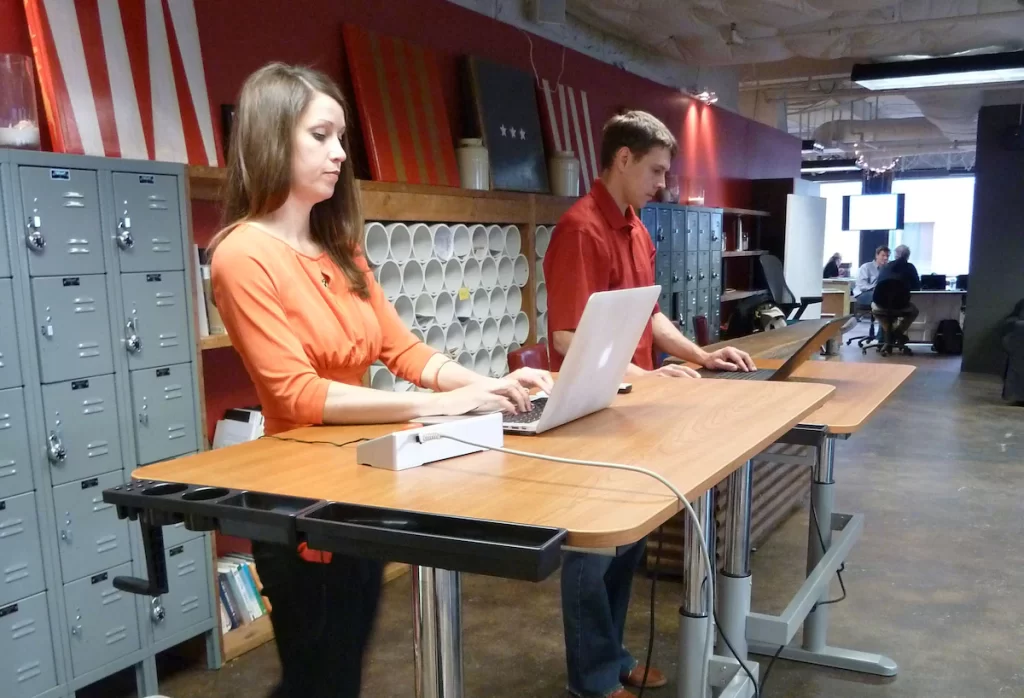
Traditional standing desks are designed to be used exclusively in a standing position. These desks typically have a fixed height and do not offer adjustable features. While they can be a cost-effective option, they may not be suitable for everyone, especially those who prefer the option to sit intermittently throughout the day. However, if you have no desire to sit and are looking for a simple and straightforward solution, a traditional standing desk might be the perfect choice for you.
Adjustable Standing Desks
If you prefer the flexibility to alternate between sitting and standing throughout the day, an adjustable standing desk is the way to go. These desks have a motorized or manual mechanism that allows you to easily adjust the height of the desk to your desired position. This versatility can help combat fatigue and discomfort that may arise from prolonged standing. An adjustable standing desk gives you the best of both worlds – the option to sit when you need a break and the ability to stand for increased productivity.
Treadmill Desks
For those looking to take their active lifestyle to the next level, treadmill desks provide a unique solution. These desks come equipped with a treadmill underneath the workspace, allowing you to walk or jog while you work. Treadmill desks offer the benefits of increased physical activity while still allowing you to complete your tasks. However, they require a larger space and may not be suitable for all work environments. If you thrive on movement and want to combine work and exercise, a treadmill desk can be an excellent investment.
Considerations When Choosing a Standing Desk
Ergonomics and Comfort
When selecting a standing desk, it’s important to prioritize ergonomics and comfort. Look for a desk that can be adjusted to your ideal height, ensuring that your elbows are at a 90-degree angle when typing and your eyes are level with the top of your monitor. Additionally, choose a desk with ample space for your keyboard, mouse, and other essential items. Remember, a comfortable workspace is essential for long-term health and productivity.
Available Space and Budget
Consider the available space in your workplace and your budget when selecting a standing desk. Traditional standing desks tend to be more affordable and have a smaller footprint, making them ideal for smaller work areas. On the other hand, adjustable standing desks and treadmill desks may require more space and come at a higher cost. Assess your needs and find a balance between space, budget, and functionality to ensure you choose a desk that fits your requirements.
Weight Capacity
Keep in mind the weight capacity of the standing desk you choose. Different desks have different weight limits, and it is essential to select one that can safely support your computer, monitor, and any other equipment you will be using. Choosing a desk with a higher weight capacity than you need is always a good idea to ensure stability and longevity.
Setting Up a Standing Desk
Ideal Desk Height and Position
Setting up your standing desk correctly is crucial for maximizing its benefits. Start by adjusting the desk to the appropriate height so that your forearms are parallel to the floor and your screen is at eye level. This positioning helps prevent strain on your neck and shoulders. It’s also important to position the desk in a way that allows you to maintain good posture and move freely. Experiment with different setups until you find what works best for you.
Accessories and Equipment Placement
Consider the placement of your accessories and equipment to optimize your standing desk setup. Place your keyboard and mouse within easy reach, and use a keyboard tray or ergonomic keyboard to minimize strain on your wrists. Position your monitor directly in front of you, angled slightly upward to reduce strain on your neck. Don’t forget to incorporate a standing mat or anti-fatigue mat to provide cushioning and support for your feet.
Ergonomic Tips
To further enhance the ergonomics of your standing desk setup, consider implementing a few additional tips. Wear comfortable shoes with adequate support to reduce discomfort and fatigue. Stand on a soft surface or use a cushioned anti-fatigue mat to ease pressure on your feet and joints. Maintain good posture by engaging your core muscles and periodically shifting your weight between both feet. Finally, take short breaks to stretch your legs and give your back and shoulders a rest.

Tips for Adjusting to a Standing Desk
Gradual Increase in Standing Time
Transitioning from sitting all day to standing for extended periods can be an adjustment for your body. To ease into using a standing desk, start by gradually increasing the amount of time you spend standing. Begin with short intervals of standing and sitting, slowly increasing the standing time each day. This gradual approach allows your body to adapt and build endurance, reducing the risk of discomfort or fatigue.
Proper Footwear and Cushioning
The right footwear can make a significant difference when using a standing desk. Opt for shoes that provide ample support and cushioning to alleviate pressure on your feet and joints. Avoid high heels, as they can strain your feet and affect your balance. Additionally, consider using an anti-fatigue mat or soft surface to stand on, as it can provide additional cushioning and reduce the impact on your joints.
Taking Breaks and Stretching
While standing desks offer numerous benefits, it’s important to remember the importance of movement and taking breaks. Even with a standing desk, excessive standing can lead to fatigue and discomfort. Take short breaks every hour to stretch, walk around, or perform light exercises. These breaks will help alleviate muscle tension and improve circulation, boosting your overall comfort and productivity.
Implementing Standing Desks in the Workplace
Educating Employees on Benefits
Introducing standing desks into the workplace can be a positive change, but it’s important to educate employees on the benefits of using them. Host informational sessions or provide materials that explain the advantages of standing desks, including increased energy, improved posture, and reduced health risks. When employees understand the benefits, they are more likely to embrace the change and use standing desks to their fullest advantage.
Providing Options and Flexibility
Not all employees may be ready or willing to switch to a standing desk full-time. It’s essential to provide options and flexibility in the workplace to accommodate individual preferences and needs. Allow employees to choose whether they want to use a standing desk, sit at a traditional desk, or switch back and forth throughout the day. By offering this flexibility, employees will feel empowered to find the solution that works best for them.
Encouraging Movement and Collaboration
Standing desks provide an opportunity to encourage movement and collaboration in the workplace. Arrange the office space in a way that promotes interaction and engagement. Create comfortable standing meeting areas or collaboration zones where employees can discuss ideas and work together. This not only improves productivity but also fosters a sense of community and teamwork.

The Impact of Standing Desks on Productivity
Improved Concentration and Cognitive Function
One of the most significant impacts of standing desks on productivity is their ability to improve concentration and cognitive function. When you stand, your blood flow increases, delivering more oxygen and nutrients to your brain. This increased circulation can enhance your ability to focus, problem-solve, and make decisions. By incorporating a standing desk into your workspace, you can experience heightened mental clarity and efficiency, leading to increased productivity.
Enhanced Mood and Morale
Sitting for prolonged periods can negatively affect your mood and overall well-being. Standing, on the other hand, has been shown to have a positive impact on mood. By standing, you engage your muscles and release endorphins, which can elevate your mood and contribute to a more positive work environment. When employees feel happier and more engaged, their morale improves, leading to increased motivation and productivity.
Reduction in Sick Leaves and Absenteeism
The health benefits of standing desks extend beyond improved concentration and mood. Incorporating standing desks into the workplace can also lead to a reduction in sick days and absenteeism. Sitting for long periods has been linked to various health issues, such as obesity and cardiovascular disease, which can result in increased sick leaves. By encouraging standing and movement, employers can help prevent these health issues and create a healthier workforce.
Addressing Concerns about Standing Desks
Potential Discomfort and Fatigue
While standing desks offer numerous benefits, some individuals may experience initial discomfort or fatigue when transitioning from sitting to standing. This can be alleviated by gradually increasing standing time, using proper footwear, and incorporating breaks and stretching exercises into the routine. It’s important to listen to your body and make adjustments as needed to ensure optimal comfort throughout the day.
Adapting to Individual Needs and Preferences
Not everyone may find standing for long periods comfortable or suitable for their work style. It’s essential to recognize and respect individual needs and preferences when implementing standing desks in the workplace. Provide employees with the option to use different types of desks or a combination of sitting and standing throughout the day. By catering to individual needs, you can ensure that everyone can work comfortably and maintain productivity.
Balancing Sitting and Standing
Finding the right balance between sitting and standing is key to reaping the benefits of a standing desk. It’s not necessary to stand all day to experience the benefits. Incorporate a mix of sitting and standing throughout the day to prevent fatigue and promote movement. Listen to your body and adjust your position as needed to maintain a comfortable and productive work environment.

Research and Studies on Standing Desks
Effects on Physical Health
Numerous studies have explored the effects of standing desks on physical health. Research has shown that standing can increase calorie expenditure, improve blood sugar levels, and reduce the risk of obesity and metabolic diseases. A study published in the European Heart Journal found that reducing sitting time by using a standing desk can lead to a decrease in body mass index (BMI) and waist circumference. Standing desks have also been associated with a decrease in musculoskeletal pain, particularly in the lower back and neck areas.
Effects on Productivity and Performance
Studies examining the impact of standing desks on productivity and performance have yielded positive results. A study published in the Journal of Physical Activity and Health found that participants who used a standing desk reported increased productivity and improved work engagement. Moreover, a study conducted by researchers at Texas A&M University found that call center employees who used standing desks were approximately 45% more productive than their sitting counterparts. These findings suggest that the use of standing desks can have a substantial positive impact on workplace productivity.
Long-Term Implications
While the benefits of standing desks are clear, there is ongoing research exploring the long-term implications of their use. One area of interest is the impact on cardiovascular health. Research shows that prolonged sitting can increase the risk of cardiovascular disease, and standing desks may help mitigate this risk. Other areas of investigation include the long-term effects on musculoskeletal health, cognitive function, and overall well-being. As the research continues to emerge, it is becoming increasingly evident that standing desks offer a multitude of benefits that can positively impact individuals and workplaces in the long term.
Conclusion
Standing desks have gained significant popularity in recent years due to their numerous benefits for both physical health and overall productivity. By incorporating a standing desk into your workspace, you can experience increased energy, reduced health risks, and improved posture and core strength. When choosing a standing desk, consider factors such as ergonomics, available space, and budget. Setting up your standing desk correctly, with the ideal height and proper accessories, will optimize its benefits. Adjusting to a standing desk takes time, and it’s important to gradually increase standing time, wear proper footwear, and take breaks. Implementing standing desks in the workplace requires educating employees, providing flexibility, and encouraging movement and collaboration. The impact of standing desks on productivity is significant, with improved concentration, enhanced mood, and reduced absenteeism being some of the key outcomes. Addressing concerns about standing desks, such as potential discomfort and the need for individual adaptation, is essential for successful implementation. Research and studies consistently support the positive effects of standing desks on physical health, productivity, and performance. As the evidence continues to mount, standing desks are emerging as a practical solution to enhance well-being and productivity in the modern workplace.